
An epoxy floor is a premium flooring solution known for its durability, aesthetics, and versatility. By combining a resin and hardener, it forms a seamless, high-gloss coating resistant to chemicals, stains, and daily wear. Modern construction and interior design increasingly rely on epoxy flooring for residential, commercial, and industrial spaces. Whether renovating a warehouse, garage, or home kitchen, understanding epoxy floor coating applications, benefits, and maintenance is key.
AquaSeal – professional epoxy floor installers with years of experience in Lahore delivers expert solutions that combine performance, style, and long-term reliability.
What Is an Epoxy Floor?
An epoxy floor is a two-component system composed of epoxy resin and hardener applied over concrete. Once cured, it forms a rigid, chemically bonded layer that is stronger than traditional paint.
Key Features:
- Resistant to cracking, chipping, and fading.
- Smooth, glossy finish for aesthetic appeal.
- Suitable for industrial, commercial, and residential applications.
Common applications include warehouses, garages, commercial showrooms, and residential kitchens. Choosing professional installers like AquaSeal ensures long-lasting performance and visual quality.
How Epoxy Floor Coating Works
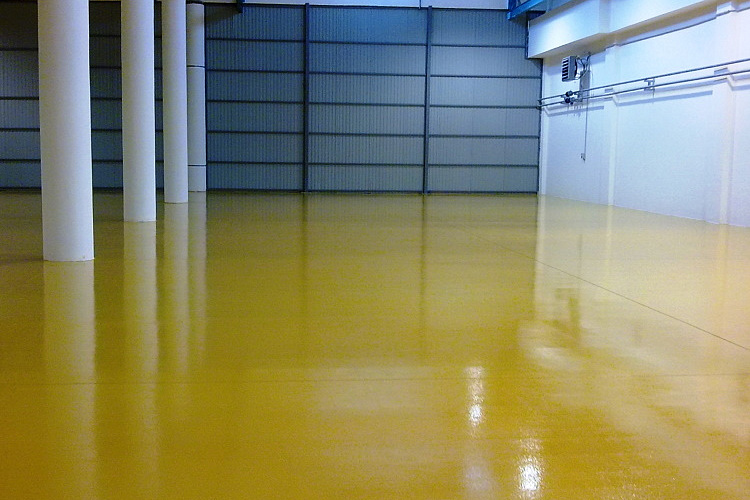
The epoxy floor installation process involves several essential steps:
- Surface Preparation – Remove dirt, moisture, and cracks.
- Mixing – Combine epoxy resin and hardener for a chemical reaction.
- Application – Use rollers or brushes to spread epoxy evenly.
- Curing – Allow the floor to harden completely for optimal durability.
Multiple coats may be applied for enhanced protection. A properly installed epoxy floor resists abrasions, impacts, and chemicals for years, making it ideal for high-traffic areas.
Types of Epoxy Flooring
Different types of epoxy flooring suit various environments and design preferences:
- Self-Leveling Epoxy Flooring – Smooth, flat surfaces perfect for commercial spaces.
- Decorative Epoxy Flooring – Incorporates colors, patterns, or metallic effects.
- Marble Epoxy Flooring – Imitates natural stone, ideal for luxury interiors.
- Epoxy Cement Flooring – Heavy-duty industrial floors for warehouses and factories.
For commercial epoxy flooring and warehouse Epoxy Flooring Installation, choosing the right type ensures both durability and professional aesthetics.
Epoxy Floor vs Epoxy Floor Paint
Many confuse epoxy paint with epoxy coating. Here’s the difference:
- Epoxy Paint: Thin, decorative, minimal protection.
- Epoxy Floor Coating: Chemically bonds with concrete, highly durable, resists chemicals, impacts, and heavy traffic.
For garages, industrial spaces, or commercial showrooms, epoxy coating is the superior choice. Paint may only be suitable for light residential use.
Benefits of Epoxy Flooring
Investing in epoxy flooring offers multiple advantages:
- Durability: Withstands heavy machinery, foot traffic, and daily wear.
- Chemical Resistance: Protects against oils, acids, and cleaning agents.
- Easy Maintenance: Smooth surfaces simplify cleaning and upkeep.
- Aesthetic Appeal: Available in glossy, metallic, or decorative finishes.
- Longevity: Professional installation ensures many years of service.
From industrial epoxy flooring to durable epoxy flooring, epoxy floors combine functionality with a modern look.
Common Uses of Epoxy Flooring
Epoxy floors are versatile and ideal for different environments:
- Warehouses: Durable, chemical-resistant, and capable of handling heavy equipment.
- Garages: Smooth, easy-to-clean, and stain-resistant.
- Commercial Spaces: Shops, restaurants, and showrooms benefit from aesthetics and protection.
- Residential Kitchens: Low-maintenance and chemical-resistant.
Whether you need commercial epoxy flooring or warehouse epoxy flooring, epoxy provides a long-lasting, visually appealing solution for high-traffic areas.
Step-by-Step Epoxy Flooring Procedure

Professional installation ensures optimal results:
- Surface Preparation: Clean, smooth, and dry concrete.
- Crack Repair: Fill holes or gaps for a uniform surface.
- Primer Application: Ensures proper adhesion of epoxy coating.
- Coating Application: Apply epoxy layers evenly.
- Curing: Allow sufficient time for chemical bonding and hardening.
Following this procedure guarantees a durable, glossy, and long-lasting epoxy floor.
Maintenance and Repair of Epoxy Flooring
Epoxy floors are low-maintenance but require care:
- Regular Cleaning: Sweep or mop with mild detergent.
- Avoid Harsh Chemicals: Strong acids or bleach can damage the coating.
- Minor Repairs: Use epoxy touch-up kits for scratches or small chips.
- Preventive Care: Protective pads or mats in high-traffic areas prolong lifespan.
Epoxy floor repair restores durability and appearance without replacing the entire floor.
Is Epoxy Flooring Right for Your Space?
Epoxy flooring is suitable for residential, commercial, and industrial settings. Consider these factors:
- Traffic Levels: High-traffic areas need durable coatings.
- Chemical Exposure: Kitchens, garages, or industrial spaces benefit from chemical resistance.
- Design Goals: Decorative or marble epoxy adds elegance.
For garages, warehouses, or showrooms, commercial epoxy flooring provides functionality, durability, and aesthetics. Professional installation ensures long-term value, safety, and visual appeal.
Conclusion
Epoxy flooring is a versatile, durable, and visually appealing flooring solution for homes, commercial spaces, and industrial environments. From kitchens to warehouses, epoxy combines strength, low maintenance, and aesthetic flexibility. Understanding the installation procedure, types, and maintenance tips allows property owners to make informed decisions.
AquaSeal – professional epoxy floor installers in Lahore ensures expert installation and repair services, providing a high-quality finish that resists wear, chemicals, and damage. Investing in commercial or industrial epoxy flooring guarantees a floor that performs exceptionally and looks elegant for years.
Top 7 FAQs About Epoxy Flooring
1. What is epoxy flooring?
Epoxy flooring is a resin-based coating that bonds to concrete, creating a durable, smooth surface for residential and commercial spaces.
2. How long does epoxy flooring last?
Properly installed epoxy floors can last 10–20 years, depending on traffic, maintenance, and environmental conditions.
3. Can epoxy flooring handle heavy machinery?
Yes, industrial epoxy flooring is designed to withstand heavy equipment, foot traffic, and constant wear without damage.
4. Is epoxy flooring easy to clean?
Yes, its smooth, non-porous surface allows easy cleaning using mild detergents, making maintenance simple and fast.
5. Can epoxy be used in garages?
Absolutely. Garage epoxy floors resist oil, chemical spills, and scratches while providing a smooth, aesthetic surface.
6. How long does epoxy take to cure?
Epoxy typically takes 24–72 hours to fully cure, depending on coating thickness, room temperature, and humidity levels.
7. Can damaged epoxy be repaired?
Yes, minor scratches, chips, or cracks can be repaired using epoxy touch-up kits without removing the entire flooring.