
Water damage is one of the most common and costly problems facing buildings today. From hairline cracks in a rooftop slab to slow seepage in a basement wall, moisture finds its way into concrete long before the damage becomes visible. Polythene waterproof coating has become a practical, widely used solution for stopping this problem at the source.
This guide explains what polythene waterproof coating is, how it works, where it is used, and how it compares with other waterproofing methods such as polyurethane coating and torch membrane systems. Homeowners, builders, architects, civil engineers, and facility managers will find clear, practical information here to make an informed waterproofing decision for 2026 and beyond.
What Is Polythene Waterproof Coating?
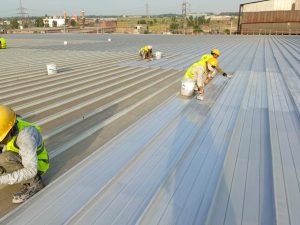
Polythene waterproof coating is a flexible, liquid-applied protective layer made from polythene-based polymers. It forms a seamless, water-resistant membrane over roofs, terraces, foundations, and concrete surfaces. Once cured, it blocks moisture penetration, resists minor surface cracking, and protects the underlying structure from long-term water damage.
How Does Polythene Waterproof Coating Work?
Polythene waterproof coating works by chemically bonding to a concrete or masonry surface and curing into a continuous, elastic film. Unlike sheet-based systems that rely on overlapping joints, this coating has no seams, so there is no weak point where water can enter. The coating expands and contracts slightly with the surface, which helps it resist small movements in the structure without cracking.
Once cured, the film acts as a physical barrier that repels rainwater, ground moisture, and condensation, while still allowing the surface underneath to remain structurally sound.
How It Protects Buildings From Water Damage
Water damage typically starts small, a hairline crack, a poorly sealed joint, or a weak spot in a slab, and grows over time into rot, corrosion of embedded steel, mold growth, and structural weakening. A properly applied polythene waterproof coating seals these vulnerable points before they widen. It also protects against efflorescence, plaster damage, and paint peeling caused by trapped moisture, keeping both the structure and its interior finishes intact.
Benefits of Polythene Waterproof Coating
- Forms a seamless membrane with no joints for water to exploit
- Flexible enough to bridge minor surface cracks
- Resistant to UV exposure, rain, and temperature changes
- Relatively fast to apply compared with sheet membrane systems
- Works on a wide range of surfaces, including concrete, brick, and masonry
- Helps reduce long-term repair and maintenance costs
- Supports better indoor air quality by limiting mold and dampness
Features of High-Quality Waterproof Coating
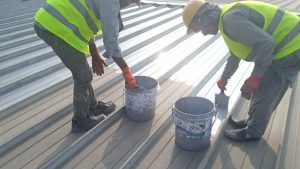
Not all waterproof coatings perform equally. A high-quality polythene waterproof coating typically has these features:
- Strong adhesion to concrete, masonry, and metal substrates
- High elongation, allowing it to stretch over hairline cracks
- UV stability so it does not degrade quickly under direct sunlight
- Resistance to ponding water without softening or peeling
- Consistent film thickness for reliable, even protection
Where Polythene Waterproof Coating Is Used
Polythene waterproof coating is versatile enough to serve residential, commercial, and industrial projects alike.
Residential Applications
Homeowners commonly use polythene waterproof coating on rooftops, terraces, bathrooms, washrooms, and water tanks. It is a practical fit for individual homes where a seamless, low-maintenance barrier against seasonal rain and everyday moisture is needed.
Commercial Applications
Offices, retail buildings, hotels, and mixed-use developments rely on waterproof coating for terraces, podiums, and roof gardens, where consistent protection across large open areas prevents costly water infiltration into occupied spaces below.
Industrial Applications
Factories and warehouses use waterproof coating for large roofs, industrial floors, retaining walls, and parking areas, where exposure to heavy rain, chemical residue, and constant foot or vehicle traffic demands a durable, resilient surface.
Common Surfaces and Structures
- Roofs
- Terraces
- Foundations
- Basements
- Bathrooms and washrooms
- Water tanks
- Concrete structures
- Retaining walls
- Parking areas
- Podiums
- Roof gardens
- Industrial floors
AQUA SEAL provides dedicated solutions across these areas, including roof waterproofing, terrace waterproofing, basement waterproofing, foundation waterproofing, structural waterproofing, bathroom waterproofing, washroom waterproofing, and roof garden waterproofing, each tailored to the specific exposure conditions of the surface.
Difference Between Polythene Waterproof Coating and Traditional Waterproofing
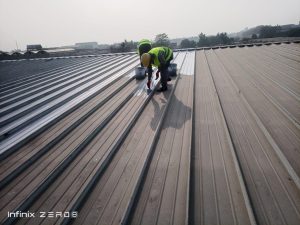
Traditional waterproofing methods, such as cement-based coatings or bitumen paints, tend to be rigid once cured. This rigidity means they are more prone to cracking as a building settles or temperatures shift. Polythene waterproof coating, by contrast, remains flexible after curing, making it better suited to surfaces that experience natural movement over time.
Difference Between Polythene Waterproof Coating and Polyurethane Waterproof Coating
Polyurethane waterproof coating generally offers higher elasticity and is often chosen for high-traffic areas like podiums and roof gardens, where structural movement and foot traffic are frequent. Polythene waterproof coating remains a strong, cost-effective option for roofs, terraces, and general residential or commercial surfaces where extreme flexibility is not the primary requirement. AQUA SEAL also offers polyurethane waterproof coating and polyurea coating for projects that call for that extra level of performance.
Difference Between Polythene Waterproof Coating and Torch Membrane Waterproofing
Torch membrane waterproofing involves heat-bonding sheet membranes to a surface, a method well suited to large, flat industrial or commercial roofs. It requires open-flame application and skilled labor. Polythene waterproof coating, applied as a liquid, avoids open flame entirely and adapts more easily to complex shapes, corners, and pipe penetrations. AQUA SEAL provides torch membrane waterproofing as an alternative where a heavier, sheet-based system is the better technical fit.
Signs Your Property Needs Waterproof Coating
- Damp patches or discoloration on ceilings and walls
- Peeling paint or bubbling plaster
- A musty smell in enclosed rooms
- Visible cracks on rooftops or terraces
- Water pooling after rain instead of draining away
- Efflorescence, the white, chalky mineral deposits on concrete or brick
Common Causes of Water Leakage
- Poor original waterproofing or skipped waterproofing during construction
- Cracks caused by structural settlement or temperature changes
- Clogged drains that cause water to pool on roofs and terraces
- Aging or degraded waterproofing membranes
- Poor slope design that prevents proper water runoff
How Waterproof Coating Is Applied
Surface Preparation
The surface is cleaned of dust, debris, and loose material. Cracks and joints are repaired, and any old, flaking coating is removed. A clean, sound substrate is essential for proper adhesion.
Application Process
The coating is applied in multiple coats using a roller, brush, or spray, depending on the surface and project scale. Each coat is allowed to dry before the next is applied, building up an even, continuous film.
Curing
The coating cures over a period of hours to a few days, depending on temperature and humidity, forming a durable, flexible membrane.
Inspection
A final inspection checks film thickness, coverage, and any missed spots, particularly around corners, pipe penetrations, and drain outlets, before the surface is put back into use.
Maintenance Tips
- Keep drains and outlets clear of debris
- Inspect the coated surface at least once a year
- Address small cracks or blisters as soon as they appear
- Avoid dragging heavy or sharp objects across the coated surface
- Schedule recoating before the coating reaches the end of its expected lifespan
How Long Does Waterproof Coating Last?
With proper application and reasonable maintenance, polythene waterproof coating typically lasts between 8 and 12 years. Lifespan depends on exposure conditions, foot traffic, climate, and how quickly minor issues are addressed after they appear.
Comparison Table: Polythene vs Polyurethane vs Torch Membrane
| Feature | Polythene Waterproof Coating | Polyurethane Waterproof Coating | Torch Membrane Waterproofing |
| Application | Roller or spray applied liquid coating | Roller or trowel applied liquid coating | Heat-bonded sheet membrane |
| Flexibility | Good, handles minor cracks | Excellent, handles structural movement | Moderate, less flexible on complex shapes |
| Durability | Good for moderate exposure | High, suited to heavy exposure | High, suited to flat large roofs |
| Water Resistance | Strong seamless barrier | Very strong seamless barrier | Strong, but joints need careful sealing |
| Maintenance | Low, periodic recoating | Low, occasional recoating | Moderate, joint inspection needed |
| Best Use | Roofs, terraces, bathrooms, tanks | Podiums, roof gardens, heavy traffic areas | Large flat industrial or commercial roofs |
| Expected Lifespan | 8 to 12 years with maintenance | 10 to 15 years with maintenance | 10 to 20 years depending on installation |
Common Mistakes During Waterproofing
- Skipping proper surface preparation before applying the coating
- Applying coating in wet weather or high humidity
- Using too few coats, resulting in an uneven or thin film
- Ignoring drainage slope and outlet placement
- Choosing an unqualified or inexperienced applicator
- Delaying repairs once minor cracks or leaks appear
How to Choose the Right Waterproofing Contractor
- Check for verifiable project experience with similar structures
- Ask about the specific products and application methods used
- Request references or examples of completed projects
- Confirm whether a workmanship warranty is provided
- Compare quotes, but avoid choosing based on price alone
Why Professional Installation Matters
Waterproofing performance depends heavily on correct application, not only on the quality of the material used. Incorrect surface preparation, uneven coating thickness, or poor detailing around joints and penetrations can cause even a good product to fail early. Professional installation, following manufacturer-recommended methods, gives a coating the best chance of reaching its full expected lifespan.
Environmental Benefits
Waterproof coating reduces water intrusion, which in turn limits mold growth, structural decay, and the need for frequent repairs. Fewer repairs mean lower material consumption and waste over a building’s lifetime. Many modern polythene waterproof coatings are also formulated to be low in volatile organic compounds, supporting healthier indoor environments.
Cost Factors
The cost of a polythene waterproof coating project depends on several factors:
- Surface area and complexity of the structure
- Extent of surface repair needed before coating
- Number of coats required for adequate thickness
- Accessibility of the site, such as rooftop height or restricted access
- Regional labor and material costs
Frequently Asked Questions
Is polythene waterproof coating suitable for rooftops?
Yes, polythene waterproof coating is widely used on rooftops because it forms a seamless, flexible membrane that resists rain, ponding water, and temperature swings. It adapts well to slopes, parapets, and pipe penetrations, making it a practical choice for both residential and commercial roof waterproofing projects.
Can polythene waterproof coating be applied over old waterproofing?
In many cases, yes, provided the old surface is clean, sound, and free of loose or flaking material. A professional assessment is recommended first, since damaged or deteriorated old waterproofing usually needs repair or removal before a new coating is applied for reliable long-term results.
How long does it take to apply waterproof coating?
Application time depends on surface area, number of coats, and drying conditions. A typical residential rooftop or terrace can often be completed within a few days, including surface preparation, multiple coats, and curing time between applications.
Is polythene waterproof coating safe for water tanks?
Polythene waterproof coating formulated for potable water contact can be used inside water tanks to prevent seepage and cracking. It is important to confirm the specific product is rated safe for water storage before application, since not all waterproofing coatings are suitable for this use.
Does polythene waterproof coating stop existing leaks?
It can seal minor cracks and surface-level leak points as part of the coating process. However, significant structural leaks or deep cracks usually require repair before coating, since the coating is designed to prevent future water penetration rather than fix underlying structural damage.
What is the difference between polythene and polyurethane coating?
Polyurethane waterproof coating generally offers greater elasticity and is often preferred for high-movement or high-traffic areas such as podiums and roof gardens. Polythene waterproof coating is a cost-effective, reliable option for general roofs, terraces, and residential or commercial surfaces with moderate exposure.
How often should waterproof coating be reapplied?
Most polythene waterproof coatings last between 8 and 12 years before recoating is needed, depending on climate, exposure, and maintenance. Annual inspection helps identify early signs of wear, allowing recoating to be scheduled proactively rather than after a leak develops.
Can polythene waterproof coating be used in bathrooms?
Yes, it is commonly used in bathrooms and washrooms beneath tiling to prevent moisture from penetrating into walls and floors. This helps protect against hidden damp damage, mold growth, and tile lifting, which are common problems in poorly waterproofed wet areas.
Conclusion
Polythene waterproof coating offers a flexible, seamless, and cost-effective way to protect buildings from water damage across roofs, terraces, basements, bathrooms, and industrial floors. Its ability to bridge minor cracks, resist UV exposure, and adapt to a wide range of surfaces makes it a practical choice for residential, commercial, and industrial projects alike.
Choosing the right coating, preparing the surface correctly, and relying on experienced application are the factors that determine how well a waterproofing system performs over time. Regular inspection and timely maintenance further extend its service life and protect the investment made in the structure.
AQUA SEAL provides professional waterproofing, insulation, epoxy flooring, sports flooring, and structural protection solutions for residential, commercial, and industrial projects, covering everything from roof and terrace waterproofing to PU spray foam insulation, heat proofing, and industrial epoxy flooring.