
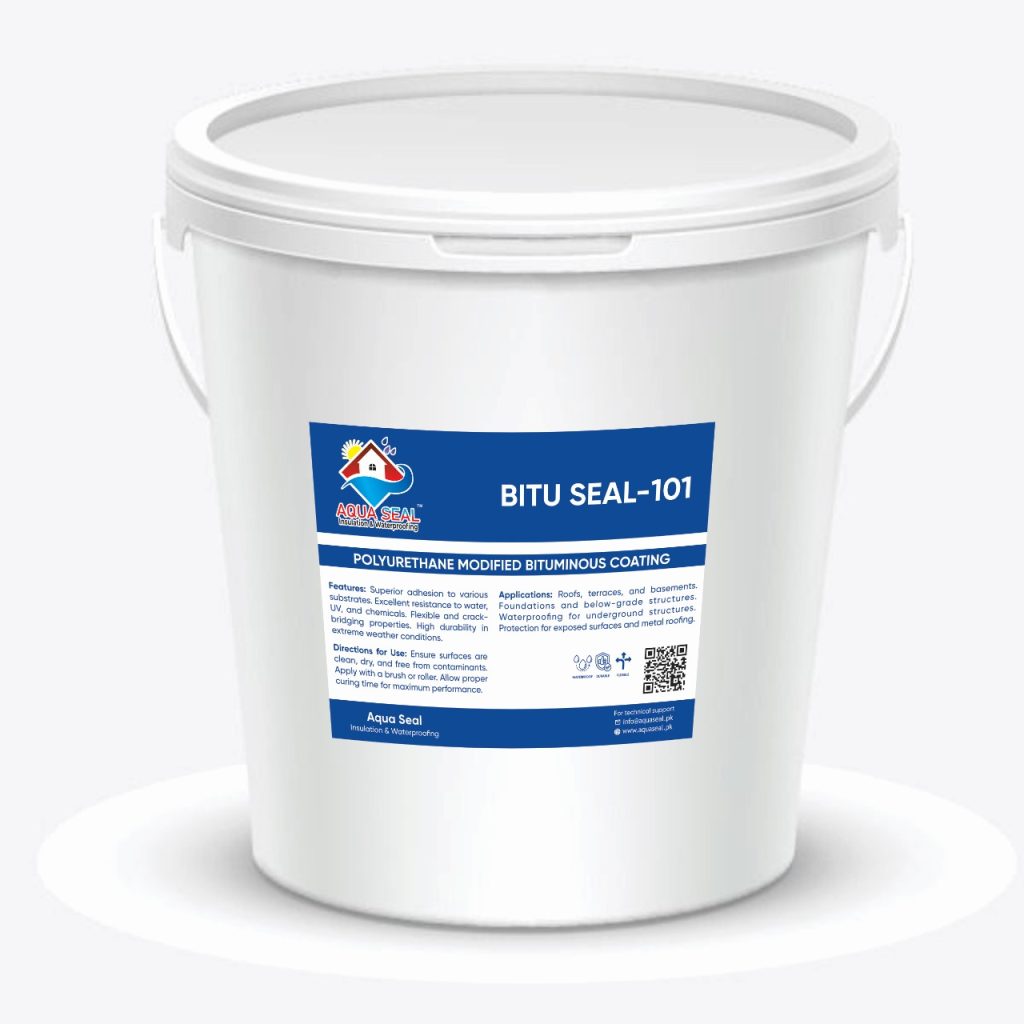
When choosing a waterproofing solution, selecting the right material is critical to ensure durability and effectiveness. Two popular options are polyurethane modified bitumen coating and torch-applied bitumen membrane. While both have unique characteristics, polyurethane modified bitumen coating offers several advantages that make it a more reliable and advanced solution.
1. Application Process
- Polyurethane Modified Bitumen Coating: This is a liquid-applied solution that provides excellent flexibility and adaptability to various surfaces. It can be applied with brushes, rollers, or sprayers, which allows a smooth, uniform application without seams, gaps, or overlaps. This eliminates the need for extensive labor and reduces application time.
- Torch-Applied Bitumen Membrane: This material comes in sheets that must be heated and adhered to the surface, requiring skilled labor to apply it properly. The need for a torch can make the process hazardous, with potential fire risks. Moreover, an uneven application can lead to weak points, risking water penetration over time.
Recommendation: Polyurethane modified bitumen coating is easier and safer to apply, significantly reducing labor dependence and hazards.
2. Bonding and Adhesion
- Polyurethane Modified Bitumen Coating: It forms a seamless, continuous layer that bonds strongly to surfaces, even on irregular or complex structures. This strong adhesion minimizes the risk of detachment and ensures long-lasting protection.
- Torch-Applied Bitumen Membrane: The membrane relies heavily on a proper installation technique to prevent peeling and detachment. Over time, environmental factors like temperature fluctuations and UV exposure can weaken the adhesion, increasing the chance of detachment.
Recommendation: Polyurethane modified bitumen coating’s superior adhesion makes it a more reliable choice, especially in structures where bond integrity is crucial.
3. Waterproofing Effectiveness
- Polyurethane Modified Bitumen Coating: Its seamless, joint-free application provides excellent waterproofing, with minimal risk of water penetration. The coating’s flexibility allows it to accommodate structural movements, which helps prevent cracks and leaks.
- Torch-Applied Bitumen Membrane: The membrane comes with joints and overlaps, which can become weak points over time. Even minor imperfections during installation can lead to water seepage, compromising the waterproofing efficiency. This is particularly problematic in areas with high water exposure or constant movement.
Recommendation: For a more effective and durable waterproofing solution, polyurethane modified bitumen coating’s seamless application is superior.
4. Suitability for Retaining Walls and Complex Structures
- Polyurethane Modified Bitumen Coating: The liquid nature of polyurethane coating makes it versatile and easy to apply on vertical and irregular surfaces, including retaining walls. Its flexibility allows it to conform to complex shapes, ensuring thorough coverage and protection.
- Torch-Applied Bitumen Membrane: Applying a torch-applied membrane on retaining walls or irregular surfaces is challenging and labor-intensive. Ensuring that the sheets adhere well to vertical structures is difficult and may require additional mechanical fastening, which increases both cost and labor.
Recommendation: Polyurethane modified bitumen coating is more suitable for complex and vertical structures, offering greater ease and efficiency in application.

5. Durability and Resistance to Environmental Factors
- Polyurethane Modified Bitumen Coating: Known for its UV resistance and flexibility, polyurethane coatings withstand environmental stresses, such as temperature fluctuations, without cracking. This increases the lifespan of the coating and reduces maintenance requirements.
- Torch-Applied Bitumen Membrane: Although durable, bitumen membranes are susceptible to degradation from UV exposure and may require periodic re-coating or maintenance. The rigid nature of the material also makes it prone to cracking under stress.
Recommendation: For long-lasting protection, polyurethane modified bitumen coating is more durable and resistant to environmental factors, making it a better long-term investment.
Conclusion
Both polyurethane modified bitumen coating and torch-applied bitumen membrane are viable waterproofing solutions, but the polyurethane modified bitumen coating offers several distinct advantages. Its ease of application, strong adhesion, seamless waterproofing capability, versatility, and durability make it a superior choice, particularly for complex and vertical structures like retaining walls. For a modern, efficient, and reliable waterproofing solution, polyurethane modified bitumen coating stands out as the best option.