
Effective insulation is essential for energy efficiency, temperature regulation, and long-term building performance. Among the most popular insulation materials are Polyurethane Spray Foam, XPS (Extruded Polystyrene) Sheets, and Thermapur Sheets. While all three options provide insulation, Polyurethane Spray Foam is globally recognized as a cutting-edge, superior solution due to its unmatched thermal performance, seamless application, and durability.
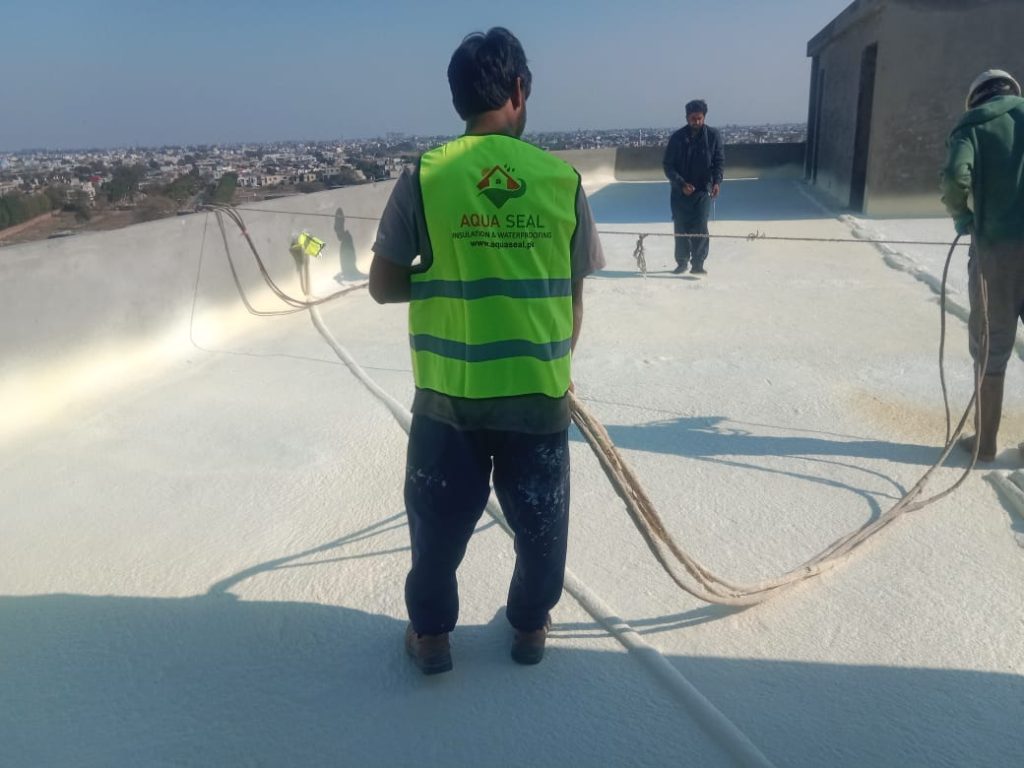
1. Thermal Insulation Efficiency
Polyurethane Spray Foam:
Polyurethane spray foam has the highest R-value per inch (approximately 6.5–7), providing exceptional insulation with a thinner application. This allows for significant energy savings while maintaining a compact design.XPS Sheets:
XPS sheets have an R-value of around 5 per inch, making them a good insulation option. However, they require a greater thickness to match the insulation level of polyurethane spray foam.Thermapur Sheets:
Thermapur sheets typically offer an R-value of about 3–4 per inch. To achieve the same level of insulation as polyurethane spray foam, Thermapur sheets need to be 2–3 times thicker, which adds bulk and requires more space.
Recommendation: Polyurethane Spray Foam is the most thermally efficient solution, requiring less material to achieve superior insulation performance.
2. Seamless Application and Coverage
Polyurethane Spray Foam:
The liquid application process of spray foam ensures a seamless and continuous insulation layer, eliminating gaps, joints, and thermal bridges. It conforms to irregular shapes, filling cracks and crevices effortlessly.XPS Sheets:
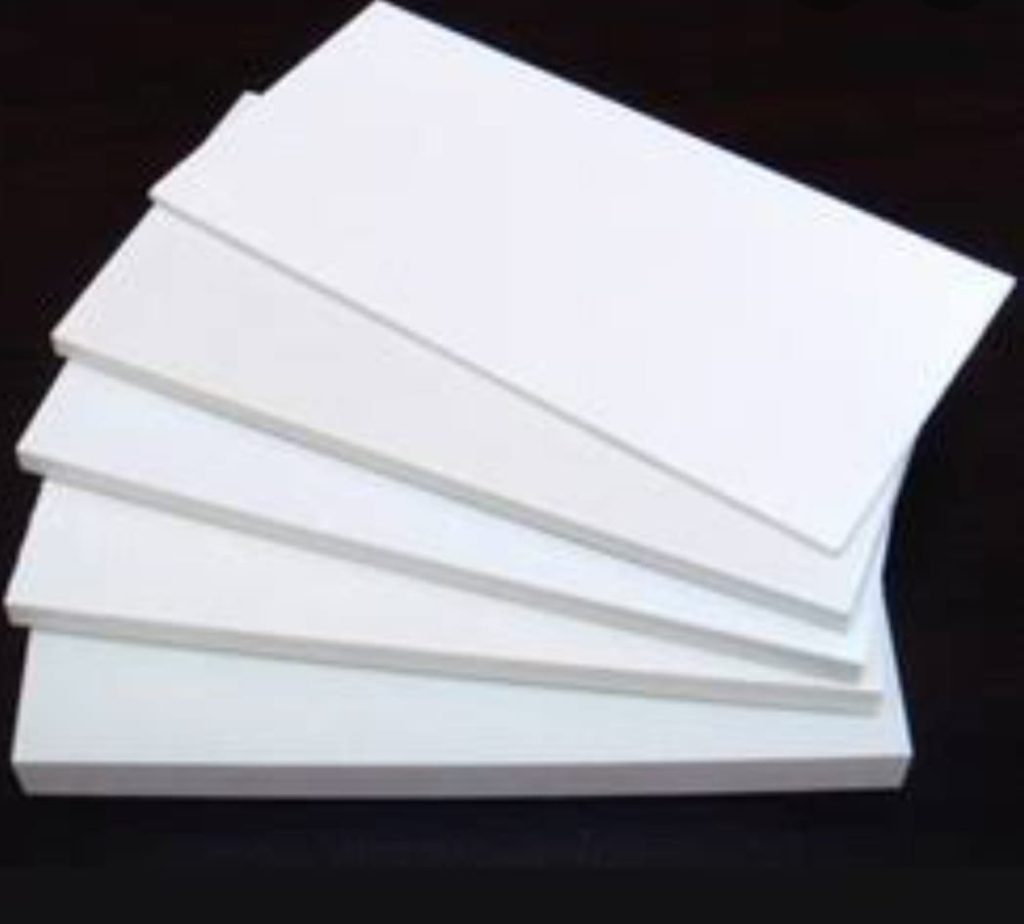
XPS sheets are rigid panels that must be cut and fitted into place. While effective on flat surfaces, they can leave gaps in irregular areas, leading to thermal bridging and reduced performance.Thermapur Sheets:
Similar to XPS sheets, Thermapur sheets are pre-cut and require precise installation to prevent gaps. Overlaps or misalignments during installation can compromise insulation efficiency.
Recommendation: Polyurethane Spray Foam offers superior coverage with its seamless application, ensuring consistent insulation and eliminating thermal bridges.
3. Durability and Moisture Resistance
Polyurethane Spray Foam:
Once cured, spray foam forms a rigid, durable barrier that is highly resistant to moisture, mold, and mildew. This makes it ideal for environments with high humidity or risk of water intrusion.XPS Sheets:
XPS sheets are moisture-resistant and do not absorb water, making them suitable for damp conditions. However, they may degrade if exposed to prolonged UV or mechanical damage.Thermapur Sheets:
Thermapur sheets have lower moisture resistance compared to spray foam and XPS sheets. They may absorb water over time, leading to reduced insulation performance and potential structural issues.
Recommendation: Polyurethane Spray Foam provides superior moisture resistance and long-term durability compared to XPS and Thermapur sheets.
4. Ease of Application and Flexibility
Polyurethane Spray Foam:
Spray foam can be applied directly onto surfaces of any shape or size, including irregular and hard-to-reach areas. Its versatility reduces installation time and ensures uniform insulation in complex structures.XPS Sheets:
XPS sheets are best suited for flat or mildly curved surfaces. Installing them in irregular areas requires cutting and additional sealing, which increases labor and material costs.Thermapur Sheets:
Thermapur sheets are also rigid and challenging to install on uneven or curved surfaces. Installation can be labor-intensive and less efficient compared to spray foam.
Recommendation: Polyurethane Spray Foam’s flexibility and ease of application make it the ideal choice for both simple and complex structures.
5. Environmental Impact and Longevity
Polyurethane Spray Foam:
With a longer lifespan, high energy efficiency, and minimal maintenance needs, spray foam insulation is a sustainable choice. Modern formulations are also more eco-friendly, aligning with global trends in green construction.XPS Sheets:
XPS sheets are durable and recyclable but may lose performance over time if improperly installed or exposed to environmental stress.Thermapur Sheets:
Thermapur sheets have a shorter lifespan compared to polyurethane spray foam and are more prone to wear and tear, reducing their overall environmental efficiency.
Recommendation: Polyurethane Spray Foam is the most durable and sustainable insulation option, offering long-term benefits with minimal environmental impact.
Conclusion and Recommendation
Polyurethane Spray Foam is a new globally recommended and superior insulation solution. Its unmatched thermal efficiency, seamless application, moisture resistance and longevity make it far more advanced than XPS and Thermapur sheets. While XPS and Thermapur sheets may suffice in basic applications, Polyurethane Spray Foam is the best choice for modern construction and retrofitting projects, ensuring optimal energy efficiency, durability, and long-term performance.